What Dentists Look for Before Recommending Periodontal Treatment
When a dentist recommends periodontal treatment, the decision is rarely based on a single sore gum spot or one alarming X-ray. It usually comes from a pattern, a clinical picture that develops from what the gums look like, how they respond to gentle probing, what the bone levels show, how much plaque and tartar have built up, and how the patient’s health history affects healing. Good dentists do not recommend this kind of care casually. They look for evidence, weigh severity, and consider whether the problem is active, chronic, localized, or already affecting the long-term stability of the teeth.
That matters because periodontal disease does not always announce itself dramatically. Some people expect severe pain before anything serious is happening. In practice, gum disease often advances quietly. A patient may only notice a little bleeding when brushing, mild bad breath, or a sense that the gums are “not as firm as they used to be.” By the time teeth feel loose or chewing becomes uncomfortable, the disease is often well established.
The recommendation for periodontal treatment is really a judgment call built on several findings taken together. Dentists are trying to answer a straightforward question: is this a routine cleaning situation, or has the supporting structure around the teeth become diseased enough to need a different level of care?
It starts with the gums, not just the teeth
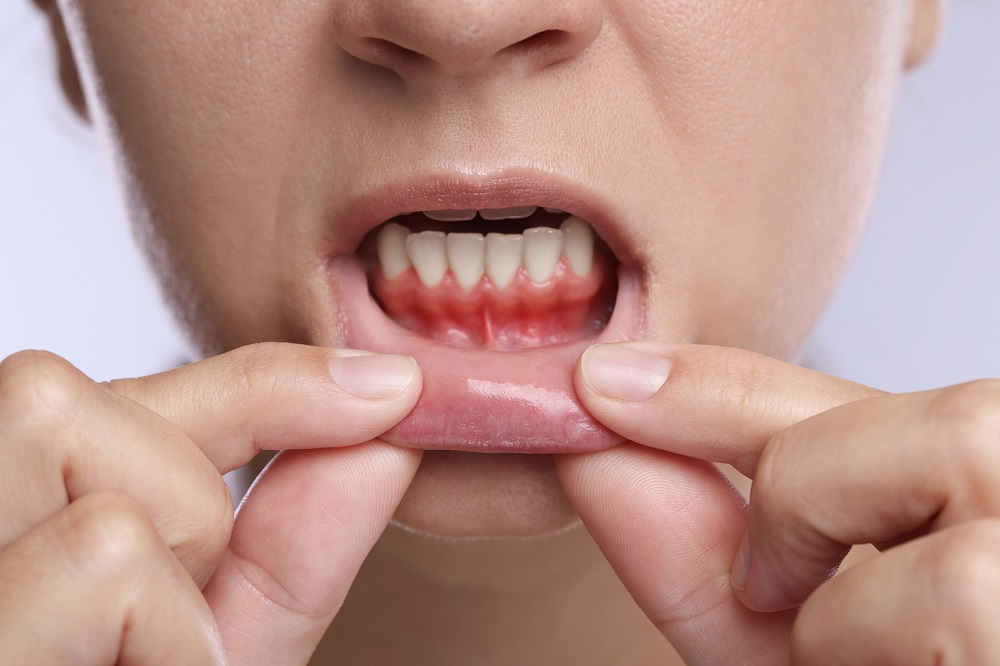
Patients often think the exam is mostly about cavities, cracked fillings, or whether they need a crown. Dentists, however, are just as focused on the tissues holding the teeth in place. Healthy gums tend to be firm, pale pink to coral depending on natural pigmentation, and closely adapted around each tooth. Inflamed gums often look different right away. They may appear puffy, red, shiny, or rolled at the margins instead of thin and snug.
Visual changes alone do not automatically mean advanced periodontal disease. Gingivitis, the earliest stage of gum inflammation, can create redness and bleeding without permanent bone loss. Still, a dentist pays attention to these signs because they help distinguish a patient who simply needs improved home care from one who may already be drifting into a more destructive process.
A common real-world scenario looks like this: a patient comes in saying, “My gums bleed a little, but I brush every day.” On exam, the gums bleed at several areas, tartar is packed behind the lower front teeth, and the back molars trap plaque near the gumline. That may still be manageable with preventive care, but if the tissues also show pocketing and recession, the conversation changes quickly. The appearance of the gums is the opening chapter, not the whole story.
Pocket measurements often drive the recommendation
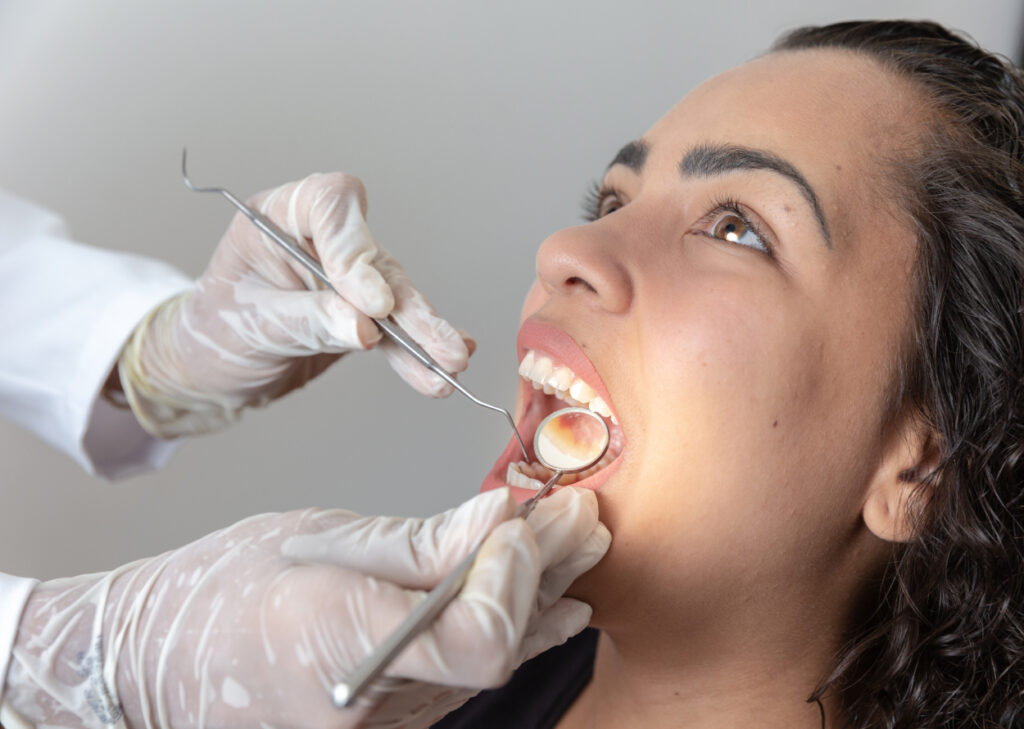
One of the most important parts of a periodontal evaluation is probing depth. The dentist or hygienist uses a thin periodontal probe to measure the space between the tooth and the gum. In a healthy mouth, that space is generally shallow. Once measurements deepen, especially when accompanied by bleeding or bone loss, concern rises.
A three-millimeter reading without bleeding can be normal in many cases. Four millimeters may be borderline or significant depending on the area and the presence of inflammation. Five millimeters and beyond usually get closer scrutiny because deeper pockets can harbor bacteria and become difficult to clean effectively at home. What matters is not just one number but the overall pattern. A single five-millimeter pocket around a wisdom tooth that traps food tells a different story than generalized five- and six-millimeter pockets throughout the mouth.
Dentists also compare current measurements with prior records when they exist. Stability counts. If someone has had a few deeper areas for years with no bleeding, no progression, and excellent plaque control, the treatment approach may be more conservative. If pockets are deepening over time or new bleeding points keep appearing, that suggests active disease. Activity often matters more than the presence of one isolated defect.
Bleeding on probing is another key detail. Healthy gums do not usually bleed from gentle, controlled probing. When they do, it can signal inflammation caused by bacterial buildup. Not every bleeding site means irreversible periodontal damage, but widespread bleeding is hard to ignore. It tells the clinician the tissue is reacting.
Bone loss changes the category of the problem
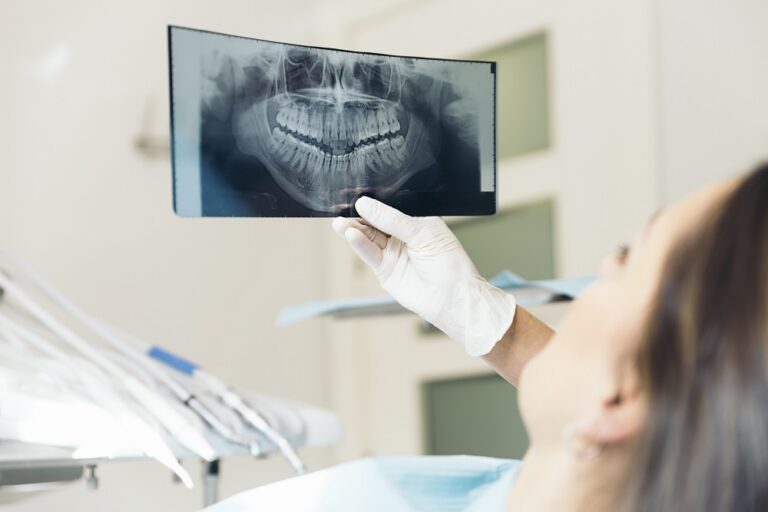
Periodontal treatment becomes more likely when the dentist sees evidence that the supporting bone around the teeth has been lost. This is where X-rays become critical. They do not tell the whole story by themselves, but they reveal whether the disease has moved beyond surface-level gum irritation.
Bone loss may appear as a generalized lowering of the bone crest between teeth or as angular defects where the bone has dropped more steeply in one area. Even modest bone changes can matter, especially in younger adults. A 28-year-old with measurable bone loss raises different concerns than a 70-year-old with mild age-related changes and otherwise stable conditions.
Dentists also look at the pattern. Horizontal bone loss across many teeth often suggests a chronic, widespread process. Localized vertical defects may point to more aggressive destruction in a few areas, sometimes linked to anatomy, heavy tartar accumulation, or an old restoration that traps plaque. Furcation involvement, where bone loss reaches the area between the roots of a molar, is especially significant because these spots are notoriously hard to keep clean and often require more than routine maintenance.
There is a practical side to this. Once bone support is lost, the body does not simply rebuild it on its own after a standard cleaning. The aim of periodontal treatment is usually to stop the disease, reduce bacterial load, improve cleansability, and preserve what support remains. In some cases, regenerative procedures are considered, but the first question is whether the disease is active enough to justify targeted treatment now.
Tartar location and texture tell a story
Not all plaque and tartar deposits are equal. Dentists look at where they are, how much is present, and whether it extends below the gumline. Supragingival tartar, the kind visible above the gums, can be substantial and still mainly require a conventional cleaning if the tissues underneath remain healthy. Subgingival calculus is more concerning because it acts as a rough surface that harbors bacteria within pockets and keeps inflammation going.
An experienced clinician can often predict what is happening under the gums just from what appears above them. Heavy ledges of tartar behind the lower front teeth, crusted deposits around molars, and chronic staining at the gumline frequently correlate with inflammation deeper down. Sometimes a mouth that looks “not too bad” from the front reveals extensive deposits on the tongue side of the lower teeth or in the back where the patient cannot see.
This is one reason a recommendation for periodontal treatment can surprise patients. They may think, reasonably enough, that because their front teeth look clean in the mirror, the gums must be fine. Clinical exams often show otherwise.
Recession is not just a cosmetic issue
Gum recession can happen for several reasons, including aggressive brushing, thin gum tissue, bite trauma, orthodontic movement, and periodontal disease. Dentists try to sort out which factor is dominant. Recession by itself does not always mean active infection, but it often contributes to sensitivity, root exposure, and plaque retention in areas that are harder to clean.
When recession appears alongside pocketing, bleeding, and bone loss, it strengthens the case for periodontal treatment. The concern is not just that the gums are pulling away, but that the attachment supporting the tooth is being lost. A patient may say, “My teeth look longer,” which is often one of the clearest lay descriptions of what is happening.
The pattern again matters. Even, stable recession across a few teeth in a hard-brusher can be very different from generalized recession paired with inflamed tissues and drifting teeth. Dentists are trained to separate wear-related changes from disease-related changes, because the treatment recommendations are not the same.
Tooth mobility gets everyone’s attention
Loose teeth are one of the more visible signs that periodontal breakdown may have advanced. Mobility can be caused by more than gum disease. Recent trauma, bite overload, infection at the root tip, or even orthodontic movement can temporarily alter how stable a tooth feels. Still, when mobility appears with deep pockets and bone loss, it often points to compromised periodontal support.
Clinically, dentists assess whether the movement is slight, moderate, or severe, and whether it affects one tooth or multiple teeth. A mildly mobile lower front tooth in someone with significant tartar buildup may improve after periodontal treatment and stabilization of the inflammation. A tooth with advanced mobility and minimal remaining bone support presents a different conversation, sometimes involving a poor long-term prognosis.
This is where judgment comes into play. Dentists do not recommend treatment just because a tooth moves a little. They try to determine whether the movement reflects reversible inflammation, structural loss, a bite problem, or a combination of all three. The treatment plan may include deep cleaning, occlusal adjustment, a referral to a periodontist, or in difficult cases, extraction planning. The decision depends on cause and severity.
Your medical history can raise or lower the threshold
A periodontal exam does not happen in isolation from the rest of the body. Dentists pay close attention to conditions and habits that affect gum health and healing. Diabetes is one of the best-known examples. Poorly controlled blood sugar can make periodontal disease more severe and treatment response less predictable. Smoking is another major factor. Smokers often show less obvious bleeding, which can mask disease, but they are at significantly higher risk for periodontal breakdown and slower healing.
Other influences include pregnancy-related hormonal changes, certain medications that cause gum enlargement or dry mouth, immune system disorders, stress, and even chronic mouth breathing. A patient taking a calcium channel blocker or certain anti-seizure medications may develop overgrown gum tissue that traps plaque more easily. Someone with xerostomia may accumulate plaque faster because saliva is not doing its usual protective work.
Dentists also look at family history, especially when the amount of bone loss seems out of proportion to the patient’s age or plaque levels. While home care still matters enormously, there are patients who seem biologically more susceptible to periodontal destruction than others. That does not guarantee treatment, but it sharpens the clinician’s attention.
Symptoms matter, but the absence of symptoms does not reassure us much
Many patients expect pain to be the deciding factor. Periodontal disease does not always behave that way. Some of the most advanced cases are remarkably painless until function is affected. Dentists still ask about symptoms because they provide useful context. Bleeding while brushing, persistent bad breath, a bad taste in the mouth, food trapping, gum soreness, and a feeling of pressure between teeth can all support the diagnosis.
Patients also describe changes that sound minor but are clinically meaningful. A floss thread that suddenly “drops too deep” between two teeth may signal loss of papilla and attachment. A space opening between front teeth can suggest drifting from reduced support. Food packing between molars often corresponds with gum recession, contour changes, or underlying bone defects.
Pain, when present, may point to an acute flare-up, such as a periodontal abscess. That usually gets prompt attention because it can involve swelling, tenderness, and pus drainage. But routine recommendations for Periodontal Treatment are more often based on chronic findings than dramatic symptoms.
Existing dental work can complicate the picture
Crowns, bridges, fillings, implants, and orthodontic retainers all affect how dentists evaluate gum health. An overhanging filling margin can trap plaque and create localized inflammation that does not resolve until the restoration is corrected. A crown margin placed too far below the gumline may contribute to chronic irritation if it is difficult to clean. Bridges and crowded lower incisors often accumulate deposits in predictable trouble spots.
This matters because a dentist wants to know whether the gum problem is generalized disease, a localized plaque trap, or both. If the issue centers around one poorly contoured restoration, replacing that restoration may be part of the solution. If the whole mouth shows pocketing and bone loss, the restoration is only one piece.
Implants deserve special mention. Bleeding and bone loss around implants can resemble periodontal disease around natural teeth, though the condition is technically peri-implant disease. Dentists evaluating a patient with a history of periodontal breakdown often monitor implants very closely because the same plaque-related risks do not disappear just because a tooth has been replaced.
The dentist is also evaluating whether routine cleaning will be enough
One of the most common misunderstandings in practice is the difference between a regular dental cleaning and periodontal therapy. A prophylaxis is intended for mouths without significant active periodontal disease. It focuses on removing plaque and calculus from accessible surfaces to maintain health. Periodontal treatment, often including scaling and root planing, goes deeper. It addresses deposits and inflammation beneath the gumline in areas where disease has created pathologic pockets.
A dentist does not jump from “you have tartar” to “you need deep cleaning” without clinical reasons. https://daltonbqmq920.almoheet-travel.com/how-genetics-may-affect-your-periodontal-treatment-plan They are trying to determine whether bacteria and calculus are established below the gums to a degree that ordinary cleaning will not predictably resolve. If the pockets are shallow, bone is intact, and inflammation is mild, routine care may be appropriate. If the tissues bleed heavily, pockets are deeper, and bone loss is visible, a more involved approach is easier to justify clinically and ethically.
A few findings often push the recommendation toward active treatment:
- generalized bleeding on probing
- multiple pockets of 4 to 6 millimeters or deeper
- radiographic bone loss
- subgingival calculus that cannot be managed with a standard cleaning
- signs of disease progression since the last exam
Even then, a careful dentist considers the whole person, not just the chart.
Age, pattern, and pace matter as much as severity
Two patients can have similar measurements and need different recommendations. A healthy 35-year-old with newly developing six-millimeter pockets around several molars may warrant prompt and assertive treatment because the disease is progressing earlier than expected. A much older patient with long-standing, stable attachment loss and very good plaque control may be managed with close maintenance and selective therapy depending on current activity.
The pace of change often matters more than one snapshot. Dentists value comparison points. Has a previously stable area worsened over 12 months? Did a three-millimeter site become five millimeters with bleeding? Has a patient who usually presents clean now developed generalized deposits after a stressful year or a medical change? Those details shape recommendations in a way patients do not always see.
Clinical dentistry is full of these judgment calls. The standard is not perfection, it is reasoned decision-making. The goal is to intervene early enough to preserve teeth, but not to over-treat someone whose condition can be managed more conservatively.
Home care habits influence both diagnosis and prognosis
What a patient does at home affects not only whether periodontal disease develops, but also whether proposed treatment is likely to succeed. Dentists ask about brushing technique, flossing or interdental cleaning, water flossers, smoking, diet patterns, and regularity of professional visits. The answers matter.
If someone has heavy plaque accumulation and inflamed gums but admits they have not had a cleaning in four years and rarely floss, the initial treatment plan may be straightforward. There is a clear bacterial burden to address. On the other hand, when a patient with excellent home care still shows progressive attachment loss, the dentist starts thinking more carefully about systemic risk factors, anatomic challenges, or an unusually susceptible periodontal profile.
There is also the question of maintenance. Periodontal treatment is not a one-time rescue that solves everything permanently. Once a patient has had periodontal disease, supportive periodontal maintenance often becomes part of long-term care. Dentists consider whether the patient is likely to return at appropriate intervals and whether they understand the chronic nature of the condition.
Referral decisions are part of the evaluation
General dentists manage a great deal of periodontal care, but not every case should stay in general practice. A referral to a periodontist becomes more likely when the disease is advanced, the anatomy is complex, regenerative surgery may help, or the diagnosis is unclear. Deep vertical bone defects, severe recession, furcation involvement, persistent pockets after initial therapy, and patients with rapid progression are common reasons to involve a specialist.
That referral is not a sign that something has gone wrong. It often means the dentist recognizes that preserving the teeth may require more specialized tools, surgical options, or monitoring. Good interdisciplinary care can make an enormous difference in outcomes, especially when a patient wants to keep vulnerable teeth for as long as possible.
What patients can ask when the recommendation comes up
A patient who hears the words “periodontal treatment” should feel comfortable asking what the dentist found and why a routine cleaning is not enough. Clear answers usually improve trust. Useful questions include what the pocket measurements were, whether there is bone loss on X-rays, which areas are most affected, and what the goal of treatment is. It is also reasonable to ask how the condition might respond to treatment and what maintenance will look like afterward.
The most productive conversations usually cover these points:
- whether the disease is gingivitis or periodontitis
- how much bone support has already been lost
- whether the problem is localized or generalized
- what treatment is recommended now
- how often maintenance visits may be needed afterward
When dentists explain the findings in concrete terms, patients tend to understand that the recommendation is based on preserving supporting tissue, not simply adding another procedure.
The real aim is preserving support before it is gone
By the time Periodontal Treatment is recommended, the dentist is usually thinking beyond the current cleaning appointment. They are looking at the long-term ability of the gums, ligament, and bone to hold teeth in place comfortably and predictably. Their concern is not limited to whether the mouth “looks cleaner.” It is whether the infection and inflammation can be controlled before more support is lost.
That is why the exam can feel more detailed than patients expect. The probing, the X-rays, the review of medical conditions, the discussion of smoking or diabetes, the focus on bleeding points and recession, all of it feeds into one central judgment. Is this a maintainable, healthy mouth with routine care, or has the disease crossed the line where more targeted therapy is needed?
When the recommendation is thoughtful, the answer comes from accumulated evidence, not a script. Dentists look for patterns of inflammation, measurable pocketing, radiographic changes, deposits below the gumline, shifting or mobility, and the patient’s individual risk profile. That combination, more than any single red flag, is what leads them to recommend treatment aimed at protecting the foundation of the teeth.
Avra Dental
Address: 1708 S Victoria Ave B, Ventura, CA 93003
Phone number: (805) 941-1001
FAQ About Periodontal Treatment
Can a dentist get rid of periodontal disease?
A dentist or gum specialist (periodontist) cannot fully cure or reverse advanced periodontal disease (periodontitis), but they can successfully stop its progression and manage the infection.
Is periodontitis very serious?
Yes, periodontitis is a very serious, advanced form of gum disease that destroys the bone and tissues supporting your teeth.
How is stage 2 periodontal disease treated?
Stage 2 periodontal disease (early to moderate periodontitis) is primarily treated with non-surgical deep cleaning procedures like scaling and root planing to remove bacteria and tartar below the gumline.