Gum Disease Treatment for Bleeding, Tender, and Receding Gums

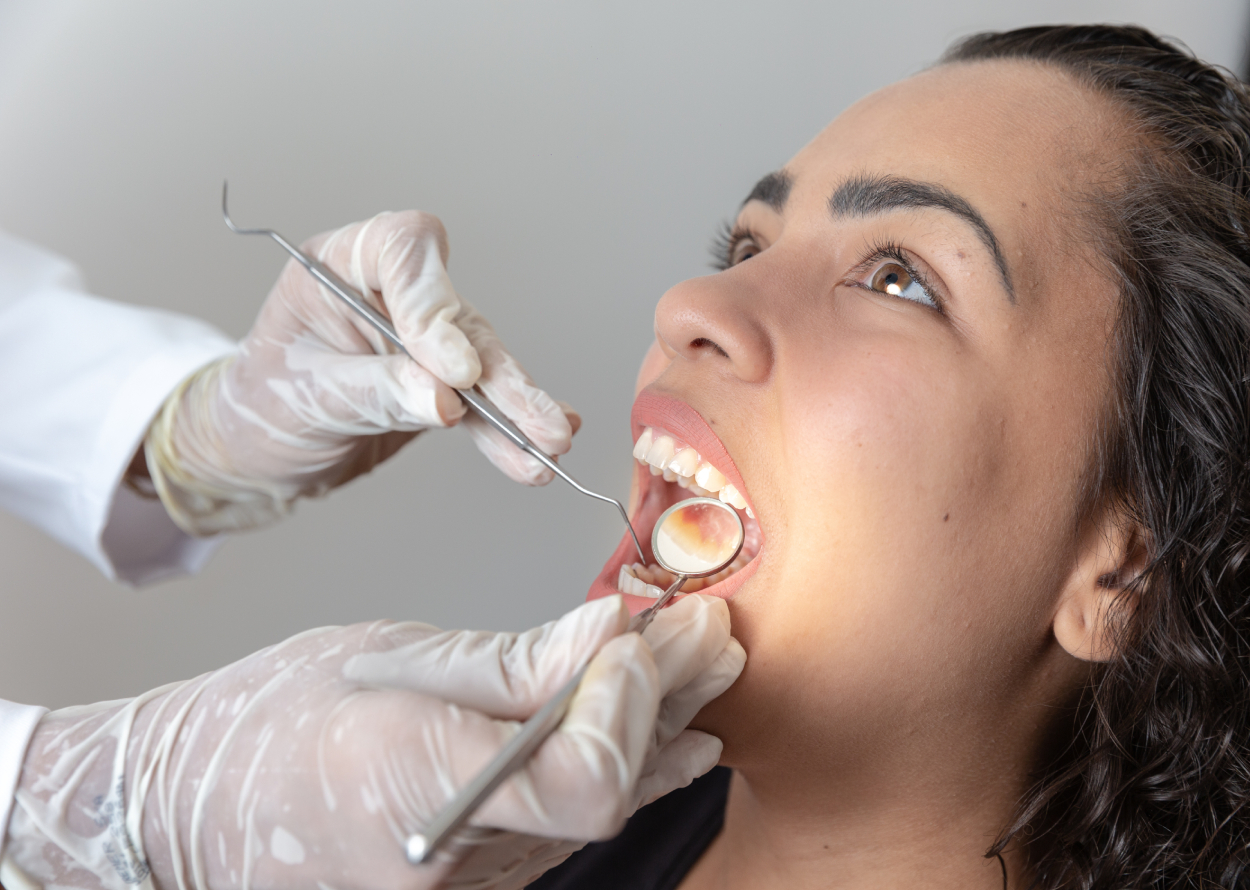
Bleeding when you brush, soreness along the gumline, or teeth that suddenly look a little longer than they used to, these are not small cosmetic annoyances. They are often early signs that the gums are inflamed or already losing attachment around the teeth. Gum disease tends to move quietly. People often notice blood in the sink long before they feel real pain, which is one reason it gets underestimated.
The good news is that gum disease is treatable, especially when it is caught early. The kind of treatment that works best depends on how far the disease has progressed, how much tartar is trapped below the gums, whether bone support has been lost, and how consistently home care can be improved. In practice, treatment is rarely about one dramatic fix. It is usually a combination of professional cleaning, targeted therapy, habit changes, and follow-up care that keeps the gums stable over time.
For patients searching for Gum Disease Treatment in Ventura, or anyone trying to understand their options more clearly, it helps to start with a realistic view of what gum disease is, what symptoms matter, and what treatment can and cannot reverse.
What bleeding, tenderness, and recession usually mean
Healthy gums do not bleed with normal brushing or flossing. If they do, the tissue is reacting to bacterial buildup around the teeth. That buildup starts as plaque, a sticky film that forms daily. If it is not removed thoroughly, it hardens into tartar, which cannot be brushed away at home. Once tartar sits at the gumline or below it, the gums become inflamed. They may look redder than usual, feel puffy, or bleed easily.
At this stage, many people have gingivitis. Gingivitis is the earliest form of gum disease, and it is often reversible. The inflammation is in the gums, but the deeper support structures around the teeth have not yet been permanently damaged.
Receding gums raise a different level of concern. Recession can happen for several reasons. Gum disease is a common one, but aggressive brushing, teeth grinding, a misaligned bite, tobacco use, and thin gum tissue can also contribute. When recession appears along with bleeding and tenderness, it often suggests a gum problem that has been active for a while. Once the gums and bone begin to pull away from the teeth, pockets can form. Those pockets collect more bacteria, which makes the cycle harder to stop without professional care.
One detail that surprises many patients is that pain is not a reliable measure of severity. Some of the worst periodontal breakdown happens with very little discomfort. A person may have deep pockets, mobile teeth, and steady bone loss, yet still report only occasional bleeding when flossing.
The difference between gingivitis and periodontitis
This distinction matters because the treatment goals are different.
With gingivitis, the goal is to remove the irritation and allow the gums to heal back to a healthy state. That usually means a professional cleaning and better plaque control at home. If the inflammation has not spread deeper, bleeding can improve quickly, sometimes within one to two weeks of consistent care.
With periodontitis, the infection and inflammation have moved below the gumline and started damaging the structures that hold teeth in place. That includes the periodontal ligament and supporting bone. Treatment is still effective, but the aim shifts. Instead of simply reversing redness and swelling, the goal becomes stopping progression, reducing pocket depth, controlling bacteria, and preserving as much support as possible. Lost bone does not generally grow back on its own, although certain regenerative procedures may help in selected areas.
That is why a proper diagnosis matters more than buying another whitening toothpaste or switching to a softer brush. Two people can both have bleeding gums, but one may need only a thorough prophylactic cleaning while the other needs active periodontal therapy.
How gum disease is diagnosed in a dental office
A careful gum evaluation is straightforward, but it tells a clinician a great deal. The gums are measured with a periodontal probe to see how deep the spaces are between the teeth and gums. Healthy pockets are usually shallow. Deeper readings can mean attachment loss. Dentists and hygienists also check for bleeding, tartar deposits, gum recession, tooth mobility, pus, and changes in bite.
Dental X-rays help show whether bone loss is present and how extensive it is. The pattern matters. Bone loss around a single tooth may suggest a local problem, such as a defective filling or a crack. More generalized loss across many teeth often points to chronic periodontal disease, especially when oral hygiene has been difficult to maintain for months or years.
A diagnosis should also take the whole patient into account. Diabetes, smoking, dry mouth, certain medications, hormonal changes, and immune conditions all affect how the gums respond. I have seen patients with decent brushing habits develop stubborn gum inflammation because of uncontrolled blood sugar or heavy vaping. I have also seen patients with a lot of visible tartar but relatively modest tissue damage, because their bodies were less reactive. Gum disease is not purely about what sits on the teeth. It is also about how the body responds to it.
The first line of Gum Disease Treatment
For mild disease, treatment usually begins with a professional cleaning and a reset of daily home care. For more advanced disease, the standard first step is scaling and root planing, often called a deep cleaning. This is one of the most common forms of Gum Disease Treatment, and it is very different from a routine cleaning.
A routine cleaning focuses on removing plaque and tartar above the gumline and slightly below it in generally healthy mouths. Scaling and root planing goes deeper. The goal is to clean the root surfaces inside periodontal pockets, remove bacterial deposits and hardened tartar, and create a smoother environment so the gums can tighten back against the teeth as much as possible.
The treatment is often done by quadrant, with local anesthetic so the patient stays comfortable. Afterward, some tenderness is normal. The gums may feel sore for a few days, and cold sensitivity can increase temporarily as inflammation goes down and roots become more exposed. That sensitivity usually settles. The more important outcome is whether pocket depths shrink, bleeding decreases, and the tissue looks firmer at the follow-up visit.
In mild to moderate cases, deep cleaning alone can produce a meaningful improvement. A six millimeter pocket may reduce to four or sometimes less if the inflammation was the main driver and the patient keeps the area clean. In deeper or more complex areas, especially around molars with furcations or old restorations that trap plaque, the response may be more limited. That does not mean the treatment failed. It means the site may need additional therapy.
What happens after a deep cleaning
The follow-up is where real progress gets measured. Usually, several weeks after treatment, the gums are re-evaluated. At that point the clinician looks for less bleeding, reduced swelling, shallower pocket depths, and improved home care. If those changes are present, the mouth can often move into periodontal maintenance, which is a more frequent cleaning schedule designed for patients with a history of gum disease.
This is one of the hardest truths for patients to hear: once someone has periodontitis, returning to a regular six-month cleaning schedule is often not enough. Many people need maintenance every three to four months because bacterial biofilm repopulates periodontal pockets quickly, and previous disease sites remain vulnerable. Teeth can feel stable for years with this schedule. Without it, relapse is common.
There is a practical reason for this. Gum disease is not like a cavity that gets filled once and disappears from the problem list. It behaves more like a chronic inflammatory condition. It can be managed very successfully, but it requires surveillance.
When antibiotics or antimicrobial therapy are useful
Patients often ask whether antibiotics can clear up gum disease. Sometimes they help, but they are not a substitute for mechanical cleaning. Bacteria hidden inside tartar or embedded deep along the root surfaces are protected. If the deposits are not physically removed, antibiotics alone usually cannot solve the problem.
That said, antimicrobial therapy can be useful in selected cases. A dentist or periodontist might recommend a localized antibiotic placed directly into a stubborn pocket after scaling, or prescribe a systemic antibiotic if there is a more aggressive infection pattern or a periodontal abscess. Antimicrobial rinses may also be recommended for short periods to reduce bacterial load while the gums heal.
Judgment matters here. Overusing antibiotics is not good practice, and chlorhexidine rinses, while effective in the right situation, can stain teeth and alter taste temporarily. The best use is targeted use.
Surgical options for more advanced recession or deep pockets
Not every gum problem can be controlled with non-surgical treatment alone. If deep pockets remain after scaling and root planing, surgery may be considered. This sounds intimidating, but the purpose is practical. It allows direct access to root surfaces and bone defects that are difficult to clean blindly.
Common periodontal surgeries include flap procedures to reduce pocket depth, regenerative approaches in certain bone defects, and soft tissue grafting for recession. Gum grafting is especially relevant for teeth with exposed roots, root sensitivity, or thin tissue that keeps pulling back. A graft does not always cover every millimeter of recession, but it can thicken the tissue, protect the root, and improve comfort and long-term stability.
There is no universal rule for when to graft. A lower front tooth with a small amount of recession but continuing wear from traumatic brushing may benefit from early intervention. A back tooth with mild recession and no sensitivity may simply need monitoring and gentler brushing. Good periodontal care is not about doing the most treatment. It is about matching treatment to risk and function.
Home care can either support treatment or undo it
Professional care lays the groundwork, but the daily work happens at home. I have seen excellent deep cleanings lose ground within months because plaque control never improved. I have also seen pockets stabilize beautifully in patients who finally learned how to clean around crowded lower incisors or bridgework properly.
The basics are not glamorous, but they matter. Brush twice a day with a soft brush and a controlled technique that cleans the gumline without scrubbing the tissue raw. Clean between the teeth every day with floss, picks, or interdental brushes, depending on the shape of the spaces. If a person has recession and root sensitivity, a desensitizing toothpaste can help make good brushing more tolerable. Electric brushes are often useful for people who rush manual brushing or use too much pressure.
These details make a real difference:
- Bleeding during flossing is often a sign to clean the area more consistently, not to avoid it.
- A soft brush is safer than a hard brush for exposed roots and tender margins.
- Interdental brushes often clean gumline embrasures better than floss when spaces are open.
- Tobacco use slows healing and sharply increases the risk of recurrence.
- Night grinding can worsen recession and mobility, even when bacterial control is good.
Patients are often surprised by how technique-dependent oral hygiene is. Two minutes of distracted brushing is not the same as two minutes spent deliberately along the gumline. Someone with crowns, implants, or crowded teeth may need tools that are different from what worked in their twenties.
Why gums recede even after treatment
Recession does not always stop the moment inflammation is controlled. In fact, https://anotepad.com/notes/ye46bexb after swelling goes down, the teeth may initially look longer because the puffy tissue has tightened. That can be a healthy change, even if it is not the cosmetic result the patient expected. The important question is whether the tissue is now firm, less inflamed, and easier to keep clean.
Continued recession after treatment usually points to one or more ongoing drivers. The common ones are persistent plaque, overaggressive brushing, smoking, clenching or grinding, untreated bite issues, and naturally thin gum tissue. Sometimes a frenum pull, where a muscle attachment tugs at the gum margin, contributes to repeated recession in a localized spot.
This is where experience matters. A patient may insist they brush gently, but the pattern of abrasion on exposed roots tells another story. Another patient may have excellent hygiene but severe nighttime clenching that traumatizes already vulnerable teeth. Solving gum problems often means addressing the mechanical forces, not just the bacteria.
Special situations that can complicate healing
A few scenarios deserve closer attention because they change the treatment response.
Diabetes is a major one. Poorly controlled blood sugar is strongly associated with worse periodontal inflammation and slower healing. The relationship goes both ways. Active gum disease can make diabetic control harder. When medical and dental care work together, outcomes are usually better.
Pregnancy can increase gum sensitivity and bleeding because of hormonal shifts, even in patients who normally have healthy gums. That does not mean it should be ignored. It means hygiene often needs to become more meticulous during that period.
Dry mouth is another underestimated factor. Saliva helps buffer acids and control bacterial activity. Patients taking certain antidepressants, blood pressure medications, antihistamines, or other prescriptions may notice dry mouth that makes plaque accumulate faster and tissues feel more irritated.
There is also a small group of patients who have a strong genetic or immune-related susceptibility to periodontal breakdown. They are not necessarily neglectful. Their disease simply progresses faster, sometimes at a younger age, and requires closer maintenance.
What to expect during recovery
Most non-surgical gum treatment is easier to recover from than patients fear. After a deep cleaning, the gums can feel tender for a couple of days, and mild bleeding during brushing may continue briefly as the tissue adjusts. Cold drinks may trigger sensitivity, especially where roots were covered by inflamed tissue before treatment. Eating softer foods the first day can help, and warm saltwater rinses are often soothing if the dentist recommends them.
What should improve over the next one to three weeks is the overall pattern. Less spontaneous bleeding, less puffiness, less soreness when brushing, and a cleaner feel around the teeth are all positive signs. Bad breath often improves as well. If pain intensifies, swelling increases, or a bad taste develops, the office should be called because a localized infection or another issue may need attention.
Surgical treatment has a longer recovery period and more detailed instructions. Swelling, limited brushing near the site, and a restricted diet are common for several days. The payoff is that surgery can address anatomy and defect patterns that non-surgical treatment simply cannot fix.
Choosing the right provider for Gum Disease Treatment in Ventura
When looking for Gum Disease Treatment in Ventura, patients do best with a practice that goes beyond a quick visual exam. A meaningful periodontal assessment should include pocket measurements, bleeding evaluation, X-rays when needed, and a treatment plan that explains what is mild inflammation versus what is attachment loss. If surgery or grafting may be needed, referral to a periodontist is often appropriate.
Good care should also feel specific. A patient with light gingivitis does not need the same plan as someone with generalized six to seven millimeter pockets and furcation involvement. The office should explain why a routine cleaning is enough, or why it is not. It should also talk honestly about maintenance, because long-term results depend on it.
The strongest sign of quality is not a flashy promise. It is careful diagnosis, clear communication, and measurable follow-up.
When not to wait
Many people postpone treatment because the symptoms seem minor. The gums bleed a little, then stop. One tooth feels tender, then settles down. A small notch of recession gets dismissed as normal aging. Sometimes it is mild. Sometimes it is the early stage of a problem that becomes more expensive and harder to manage a year later.
These signs deserve prompt evaluation:
- bleeding that happens repeatedly during brushing or flossing
- gums that stay swollen, tender, or red for more than a week or two
- teeth that look longer or feel sensitive near the roots
- persistent bad breath or a bad taste despite brushing
- loosening teeth, shifting bite, or pus near the gumline
The reason to act early is simple. Early gingivitis is easier to reverse than established periodontitis. Shallow pockets are easier to stabilize than deep ones. Mild recession is easier to protect than advanced root exposure.
The long-term outlook
With proper treatment and maintenance, many patients keep their teeth for decades after a gum disease diagnosis. That is an important point, because a diagnosis of periodontitis is not a forecast of inevitable tooth loss. It is a warning that the support around the teeth needs structured care.
The patients who do best usually share a few traits. They keep their follow-up visits. They use the cleaning tools that fit their mouth instead of the ones they find most convenient. They address smoking, dry mouth, or grinding when those issues are part of the picture. Most of all, they understand that healthier gums are not built in one appointment. They are built through repeated, fairly ordinary actions that become consistent over time.
Bleeding, tender, and receding gums are the mouth’s way of signaling that the tissue is under stress. Sometimes the fix is simple. Sometimes it requires deeper periodontal therapy and long-term maintenance. Either way, the right response is not guesswork or delay. It is a careful diagnosis and a treatment plan grounded in what the gums and supporting bone actually need.
Avra Dental
Address: 1708 S Victoria Ave B, Ventura, CA 93003
Phone number: (805) 941-1001
FAQ About Gum Disease Treatment in Ventura
How to improve gum health quickly?
To improve gum health quickly, eliminate plaque buildup by brushing for two full minutes twice a day at a 45-degree angle to the gumline. Floss daily to clean under the gumline, and rinse with an antimicrobial, alcohol-free mouthwash. For immediate relief of soreness, use a warm saltwater rinse.
What is the fastest way to cure gum disease?
To quickly cure early-stage gum disease (gingivitis), eliminate the plaque buildup causing the inflammation. Brush gently but thoroughly for two minutes twice daily, floss daily, and use an antibacterial mouthwash or a warm saltwater rinse. However, if tartar has hardened, professional treatment is necessary.
How do I treat my gum disease at home?
You can treat early gum disease at home by practicing strict daily oral hygiene, rinsing with salt water or antibacterial mouthwash, and quitting smoking. True gum disease (especially advanced forms like periodontitis) cannot be fully cured at home once tartar forms, and you must see a dentist for professional cleanings.